

When *World of Warcraft: Legion* launched, it brought with it a game-changing feature that would forever alter how dungeons are experienced in the game. The introduction of the *Mythic+* system, an enhanced version of the traditional Mythic difficulty, revolutionized dungeon gameplay by adding replayability, difficulty scaling, and a sense of urgency that kept players engaged. In this article, we’ll explore how the *Mythic+* system works and why it became one of the defining features of *Legion* and beyond.
What is the Mythic+ System?
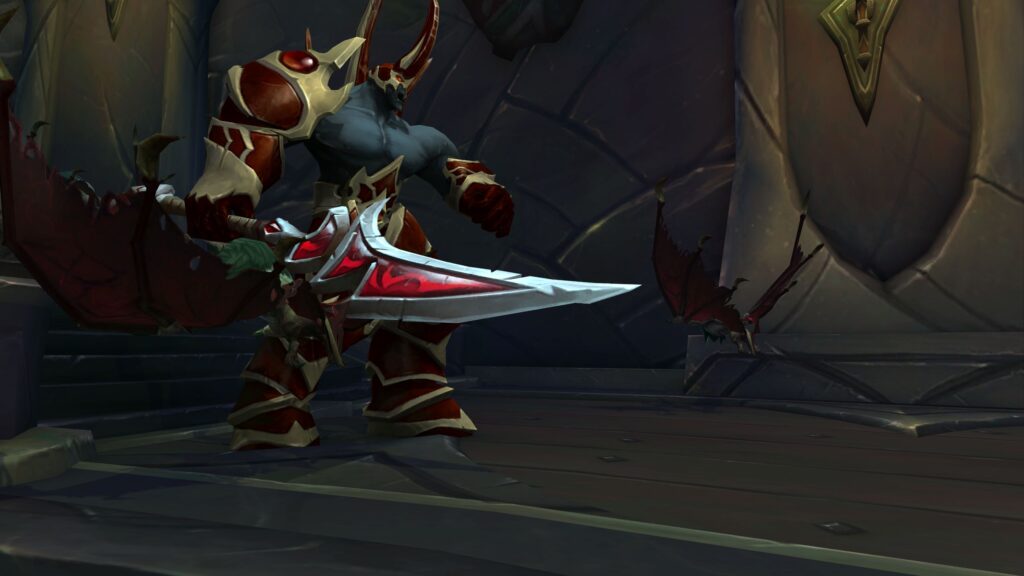
The *Mythic+* system is an extension of the traditional Mythic dungeons in *World of Warcraft*, designed to create more challenging and dynamic dungeon runs. Unlike regular Mythic dungeons, which provide a fixed difficulty, Mythic+ dungeons are designed to scale in difficulty based on a “keystone” that players acquire by completing a dungeon. The keystone indicates the dungeon’s difficulty level, and the goal is to complete the dungeon within a time limit, with increasingly difficult modifiers added to the encounters.
The keystone itself is a critical part of the *Mythic+* system. At the start of each dungeon run, players insert the keystone into a portal, activating the *Mythic+* difficulty. The difficulty increases as players level up their keystone, pushing them to complete dungeons faster, overcome tougher mechanics, and work together as a team. At the end of the dungeon, completing the run within the time limit rewards players with an upgraded keystone for a different dungeon, encouraging continuous progression and providing a never-ending challenge.
Increased Replayability and Challenge
One of the key elements that set *Mythic+* apart from traditional dungeon content was its emphasis on replayability. With the introduction of keystone leveling, players were able to repeatedly challenge themselves with increasingly difficult dungeons. This system made it possible for players to face fresh challenges every time they completed a dungeon, as the modifiers on the keystone changed, adding new twists to familiar encounters.
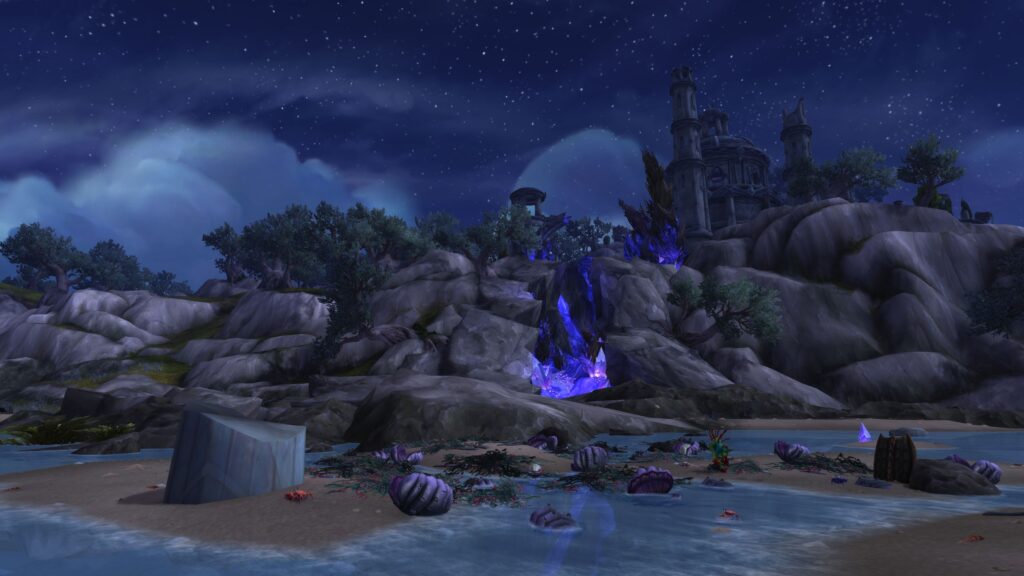
The variety of affixes—ranging from increasing the health of enemies to adding environmental hazards—meant that players couldn’t just rely on muscle memory to succeed. Each run required careful planning, coordination, and quick thinking. This added an exciting new layer to dungeon gameplay, making it far more dynamic and engaging than ever before.
The Competitive Edge: Leaderboards and Rankings
Another significant change that *Mythic+* brought to *World of Warcraft* was the introduction of a competitive edge to dungeon running. By including leaderboards, the *Mythic+* system created a way for players to track their progress not just within their own group but also against others. Every completed dungeon run was logged, and the fastest and most efficient teams could compare their times against the rest of the community.
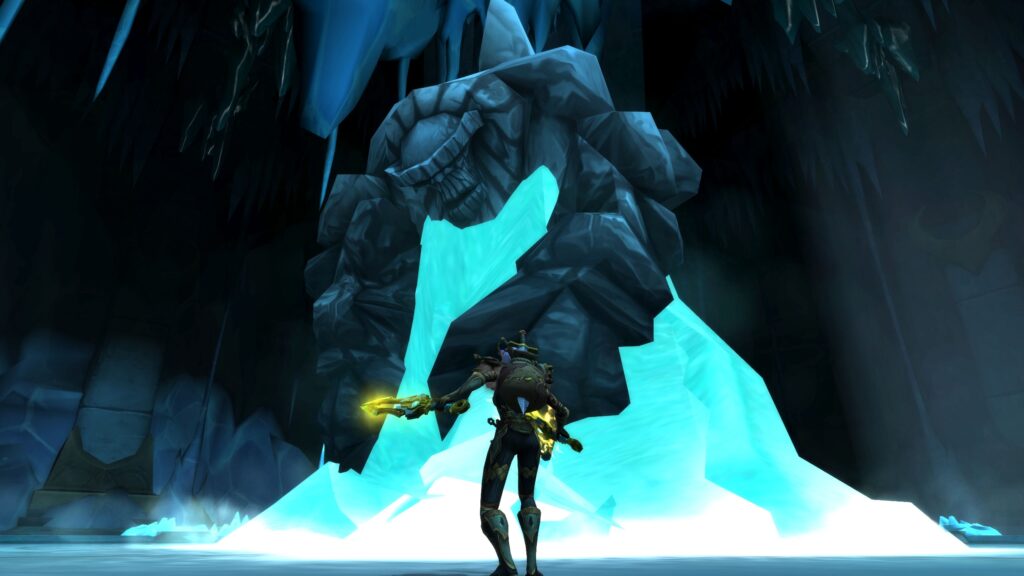
This competitive aspect fostered a sense of accomplishment and pride among players. Achieving a top rank on the leaderboards or completing dungeons at higher levels of difficulty was not only an impressive feat but also a way for players to earn exclusive rewards, including powerful gear and cosmetic items. For the most hardcore players, Mythic+ dungeons became the ultimate test of skill, pushing players to maximize their potential and claim their place among the best in the game.
Rewards and Gear Progression
The *Mythic+* system also drastically changed the way players acquired gear. Unlike traditional dungeons, where loot drops were fixed and relatively predictable, Mythic+ dungeons offered a system where the quality of the loot was directly tied to the difficulty of the run. The higher the keystone level, the better the rewards, with players earning powerful gear that could rival raid-level items. This made *Mythic+* runs a critical component of gearing up for players who wanted to stay competitive without necessarily stepping into the high-end raids.
The system’s loot structure also emphasized team coordination. Since certain affixes could change the way combat encounters unfolded, groups had to adapt and optimize their team composition to maximize success. As a result, the team dynamic became an important factor in loot acquisition, rewarding players not just for completing dungeons but for doing so efficiently and strategically.
Long-Term Impact and Legacy
Since its introduction in *Legion*, the *Mythic+* system has become a core feature of *World of Warcraft*, with continued enhancements and adjustments to its design in subsequent expansions. Its success lies in how it blends PvE challenges, group dynamics, and progression, offering players a consistent and ever-evolving challenge that remains relevant throughout the life of an expansion. The *Mythic+* system has redefined how dungeons are viewed in *WoW*, transitioning them from a once-optional activity into a central pillar of gameplay, offering valuable rewards and engaging content for players at all levels.
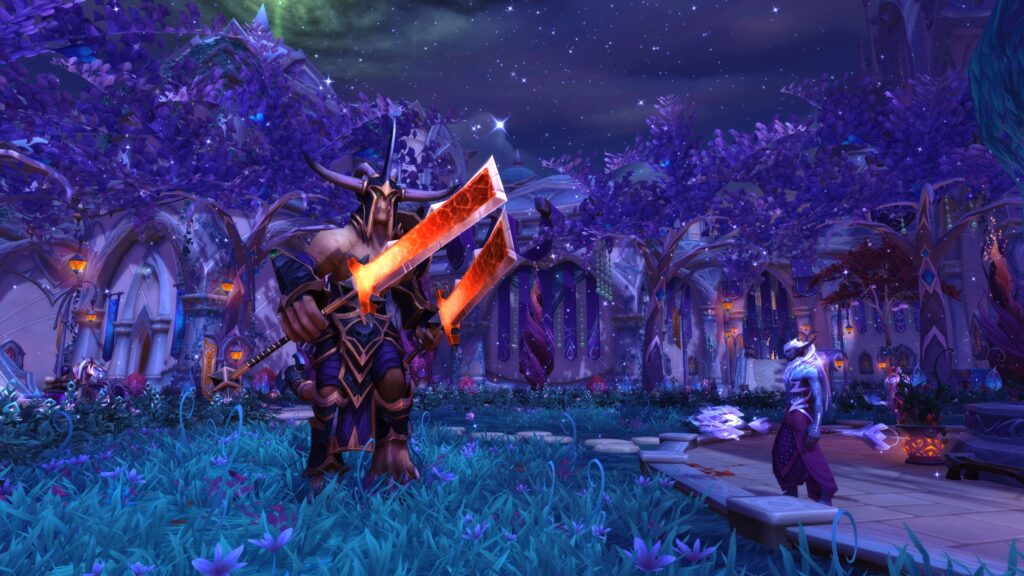
As *World of Warcraft* continues to evolve, the *Mythic+* system will likely remain one of its most influential features, with future iterations and improvements continuing to build on its foundation. It has set a new standard for dungeon content in MMORPGs, and its influence can be seen in other games that have sought to replicate its innovative approach to scaling difficulty and encouraging player cooperation and competition.
Conclusion
The introduction of the *Mythic+* system in *World of Warcraft: Legion* was a watershed moment for the game’s dungeon content. By adding difficulty scaling, replayability, competitive rankings, and rewarding progression, *Mythic+* revolutionized how players engage with dungeons, turning them into a highly competitive, skill-driven activity that pushed the boundaries of group play. Whether you’re a casual player or a hardcore raider, *Mythic+* offers something for everyone, and its impact on *WoW* will continue to be felt for years to come.
Home
