

The encounter with M’uru in the Sunwell Plateau raid has been a pivotal moment in World of Warcraft’s history, particularly due to its challenging mechanics and the introduction of the Void God phase. This phase not only tested the limits of player skill but also exposed underlying issues within high-end guilds, leading to significant disbandments. Understanding the mechanics and the impact of this encounter is crucial for players and guild leaders alike.
What Makes the M’uru Encounter So Challenging?
The M’uru encounter is challenging due to its complex mechanics, requiring precise coordination and execution from all raid members.
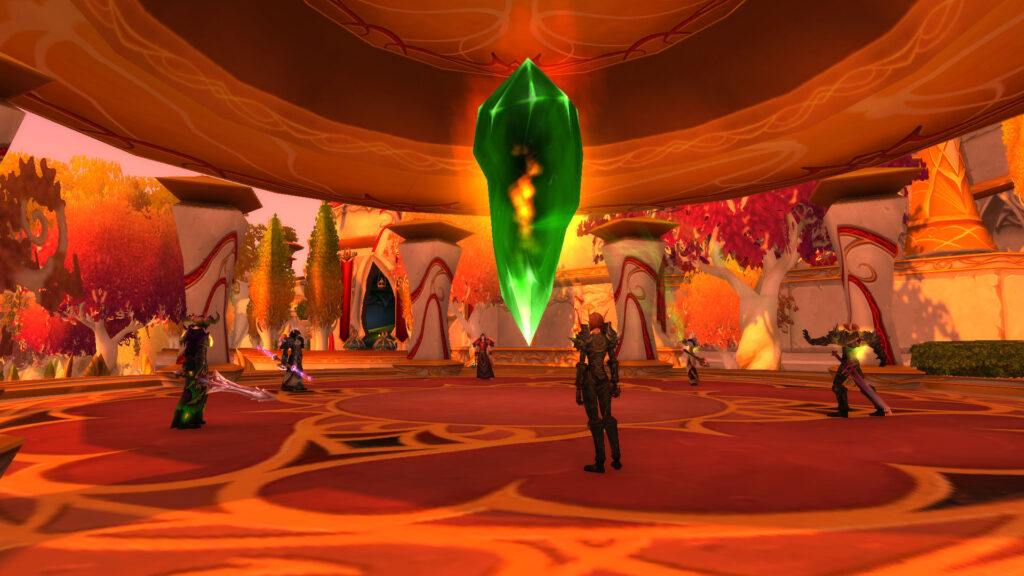
The M’uru fight is notorious for its multi-phase structure, which includes a Void God phase that significantly increases the difficulty level. Players must manage multiple mechanics simultaneously, including adds that spawn and must be controlled, while also dealing with the boss’s powerful abilities. The encounter demands not only individual skill but also exceptional teamwork and communication, as failure to execute even one mechanic can lead to a wipe. This complexity is compounded by the high stakes of the encounter, as M’uru is a key progression boss for many guilds aiming to complete the Sunwell Plateau raid.
Furthermore, the Void God phase introduces a unique mechanic that alters the dynamics of the fight. During this phase, players are subjected to debilitating debuffs that can quickly escalate if not managed properly. The need for precise timing and execution during this phase is critical, as it can lead to rapid deaths if players fail to adapt. High-end guilds often found themselves struggling to maintain their composure under pressure, leading to frustration and burnout among members. This combination of mechanics and the psychological toll of the fight contributed to the disbandment of several high-end guilds.
To succeed in this encounter, guilds must develop a robust strategy that addresses each phase’s unique challenges. This includes assigning roles clearly, practicing specific mechanics, and ensuring that all players are aware of their responsibilities. For example, having designated players for handling adds and others focused on the boss can streamline the fight and reduce chaos. Additionally, using voice communication tools effectively can help maintain clarity during the encounter, allowing for quick adjustments as needed.
How Can Guilds Prepare for the Void God Phase?
Guilds can prepare for the Void God phase by developing specific strategies, practicing mechanics, and ensuring effective communication.
Preparation for the Void God phase requires a multifaceted approach that includes both strategic planning and practical execution. First, guilds should analyze the mechanics of the phase in detail, breaking down each ability and its implications for raid members. Understanding the timing and impact of each mechanic will allow players to anticipate and react appropriately during the encounter. Additionally, guilds should conduct practice runs to familiarize themselves with the mechanics, allowing players to gain confidence and improve their execution.
- Conduct detailed strategy meetings to discuss the mechanics of the Void God phase and assign roles based on player strengths.
- Run practice sessions focusing solely on the Void God phase to allow players to experience the mechanics without the pressure of a full raid.
- Utilize addons that provide visual cues for debuffs and mechanics to help players track their responsibilities during the fight.
- Encourage open communication during practice runs to foster a supportive environment where players can discuss mistakes and improve together.
Moreover, guilds should consider implementing a rotation system for players who may struggle with specific mechanics, allowing them to take breaks and reduce burnout. This approach not only helps maintain morale but also ensures that players remain focused and engaged during the encounter. By fostering a culture of teamwork and support, guilds can enhance their chances of success in the Void God phase and reduce the risk of disbandment.
What Are the Key Mechanics of the Void God Phase?
The key mechanics of the Void God phase include debuffs, adds management, and environmental hazards that require precise coordination.
Understanding the mechanics of the Void God phase is crucial for any guild attempting to conquer M’uru. During this phase, players face a series of debuffs that can stack and lead to devastating consequences if not managed properly. For instance, one of the primary debuffs reduces healing received, making it imperative for healers to coordinate their efforts effectively. Additionally, players must deal with adds that spawn throughout the encounter, which can overwhelm the raid if not controlled. This necessitates a clear plan for managing these adds while still focusing on the boss.
The following table summarizes the key mechanics of the Void God phase, highlighting their effects and recommended strategies for dealing with them:
| Mechanic | Effect | Strategy | Priority |
|---|---|---|---|
| Debuff: Void Corruption | Reduces healing received | Coordinate healing cooldowns | High |
| Adds: Void Spawn | Attacks players and heals M’uru | Assign players to control adds | Medium |
| Environmental Hazard: Void Zones | Deals damage over time | Avoid standing in zones | High |
By understanding these mechanics and their implications, guilds can develop effective strategies to mitigate their impact during the encounter. This knowledge is essential for maintaining raid cohesion and ensuring that players can execute their roles effectively.
What Psychological Factors Contributed to Guild Disbandments?
The psychological factors contributing to guild disbandments include burnout, frustration, and the pressure to perform at high levels.
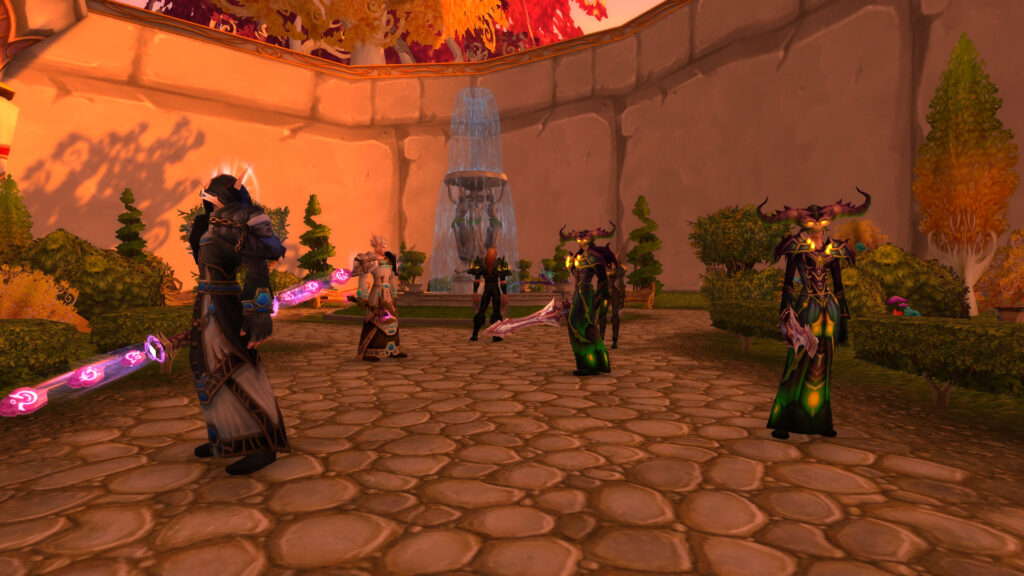
The intense pressure of high-end raiding can lead to significant psychological stress among guild members, particularly during challenging encounters like M’uru. As players face repeated wipes and the frustration of not progressing, morale can quickly decline. This decline often manifests in burnout, where players feel exhausted and disengaged from the game. The Void God phase, with its punishing mechanics, exacerbated these feelings, leading many players to question their commitment to the guild and the game itself.
Moreover, the competitive nature of high-end raiding creates an environment where players feel compelled to perform at their best consistently. This pressure can lead to toxic behavior, including blame-shifting and negative communication, which further deteriorates guild cohesion. As players become increasingly frustrated with their performance and the performance of others, conflicts can arise, leading to a breakdown in relationships within the guild. This toxic environment often results in players leaving the guild or the entire guild disbanding altogether.
To combat these issues, guild leaders should prioritize mental well-being and foster a positive atmosphere. This includes encouraging open communication, providing support for struggling players, and recognizing achievements, no matter how small. By creating a culture that values teamwork and support, guilds can mitigate the psychological pressures associated with high-end raiding and reduce the likelihood of disbandment.
How Can Guilds Sustain Long-Term Success After M’uru?
Guilds can sustain long-term success after M’uru by focusing on team cohesion, continuous improvement, and maintaining a positive environment.
To ensure long-term success following the M’uru encounter, guilds must prioritize team cohesion and continuous improvement. This involves regularly assessing the strengths and weaknesses of the raid team and making adjustments as needed. Guild leaders should encourage players to provide feedback on encounters and suggest improvements to strategies. This collaborative approach fosters a sense of ownership among players, making them more invested in the guild’s success.
Additionally, guilds should focus on maintaining a positive environment that encourages growth and learning. This includes celebrating victories, no matter how small, and recognizing individual contributions to the team. By fostering a culture of support and encouragement, guilds can help players feel valued and motivated to continue improving. Regular team-building activities, both in-game and out, can also strengthen relationships and enhance overall morale.
Finally, guilds should remain adaptable and open to change. As new content is released, strategies and team compositions may need to evolve. By staying flexible and willing to experiment with new approaches, guilds can maintain their competitive edge and continue to thrive in the ever-changing landscape of high-end raiding.
Frequently Asked Questions
What are the most common reasons for guild disbandments after M’uru?
The most common reasons for guild disbandments after M’uru include burnout from repeated wipes, frustration with mechanics, and negative team dynamics. Players may feel overwhelmed by the pressure to perform, leading to conflicts and ultimately, departures.
How can guild leaders prevent burnout during challenging encounters?
Guild leaders can prevent burnout by encouraging breaks, fostering a supportive environment, and promoting open communication. Regularly assessing player morale and adjusting raid schedules can also help maintain engagement and enthusiasm.
What strategies can guilds implement to improve teamwork during raids?
Guilds can improve teamwork by conducting strategy meetings, assigning clear roles, and utilizing communication tools effectively. Regular practice sessions focused on specific mechanics can also enhance coordination and build trust among team members.
