

Few MMOs can match World of Warcraft’s storytelling rhythm. For twenty years, quest chains have guided players through sweeping sagas, personal trials, and world-changing events—all while teaching, rewarding, and immersing. Blizzard’s quest design isn’t just about direction—it’s about pacing, emotional cadence, and payoff. Every expansion refines that balance, ensuring the journey always feels alive, even when the destination is known.
This article explores why WoW’s questing system continues to set the standard for narrative flow, blending design, dialogue, and discovery into a single art form.
The Early Foundations of Storytelling
In Classic WoW, quests were simple—but immersive. Text-heavy logs and open exploration forced players to read, imagine, and connect. Storytelling relied on curiosity rather than cutscenes. Whether it was the Defias Brotherhood’s mystery or Tirion Fordring’s redemption, these stories grew organically from the world itself. Without map markers or shortcuts, immersion came from effort. Players weren’t guided—they were invited to discover.
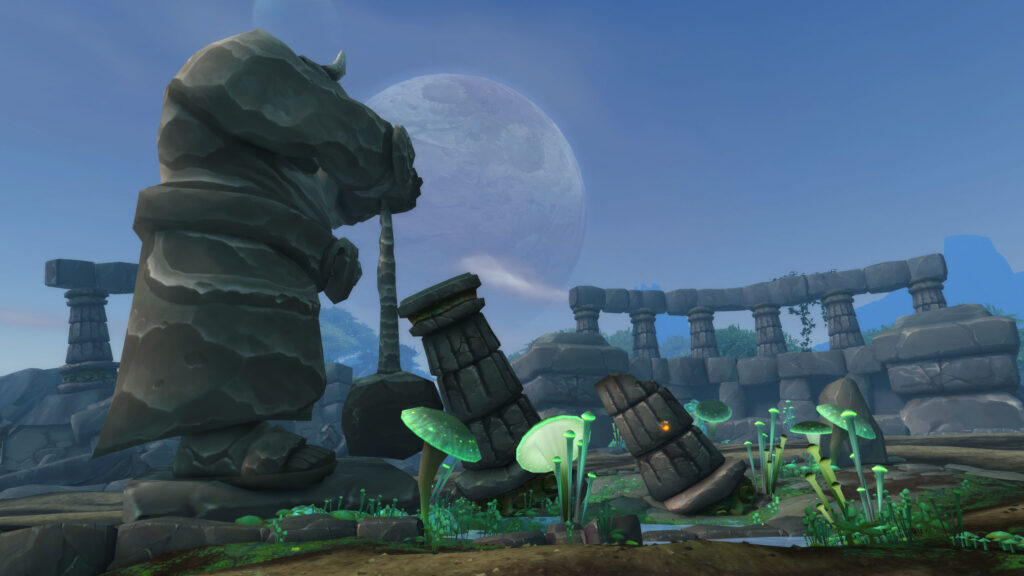
In the beginning, questing was literature hidden inside gameplay.
The Cinematic Shift – From Words to Worlds
Wrath of the Lich King and Cataclysm marked WoW’s storytelling evolution. Voice acting, phasing technology, and cutscenes turned questing into cinematic experiences. Players didn’t just read the story—they lived it. Phasing allowed the world to reflect choices, while narrative arcs tied entire zones together. The result was a fluid storytelling experience where gameplay and emotion intertwined seamlessly.
Every quest became a chapter, every zone a novel.
Legion and the Art of Personal Narrative
With Legion, Blizzard perfected character-driven storytelling. Class campaigns and artifact quests gave players stories tailored to their identities. Each class became a protagonist in its own right—Paladins defending Light’s Hope, Warlocks forging dark pacts, and Priests balancing faith with doubt. These chains elevated immersion by turning gameplay into self-expression. For the first time, the quest wasn’t about the world—it was about you.
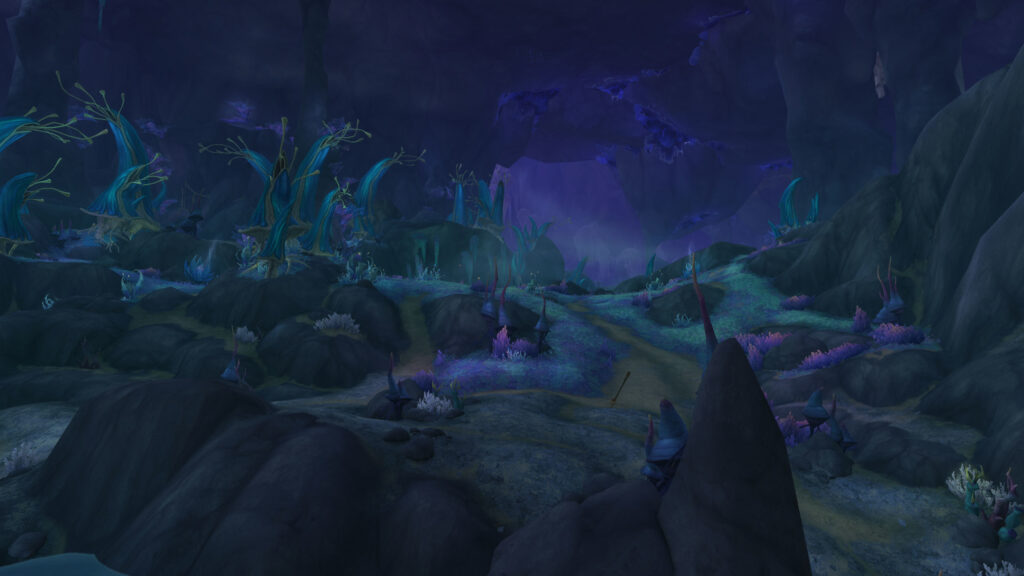
Legion proved that personal investment is the strongest narrative reward.
| Expansion | Quest Design Focus | Notable Feature | Narrative Impact |
|---|---|---|---|
| Classic | Exploration and lore discovery | Minimal guidance, strong mystery | Built immersion through effort |
| Wrath of the Lich King | Zone-spanning arcs | Phasing and voice acting | Created cinematic storytelling |
| Legion | Class identity | Artifact campaigns | Personalized the story |
| Shadowlands | Moral choice and consequence | Covenant campaigns | Introduced philosophy into gameplay |
| The War Within | Emotional reflection | Legacy-driven Warband quests | Bridges player history and story |
Modern Quest Flow – Pacing and Emotional Rhythm
Modern WoW storytelling balances intensity with rest. Narrative pacing mirrors cinematic arcs: exposition, rising action, climax, resolution. Side quests provide breathing space, while main arcs deliver catharsis. Each expansion refines this rhythm, ensuring emotional continuity between combat, exploration, and dialogue. The game teaches pacing better than many movies—not by dictating it, but by letting players feel it through motion and progress.
Good quest design doesn’t tell you when to feel—it lets you discover when you already are.
The Emotional Power of Continuity
What makes WoW’s quests timeless is their interconnectedness. Stories from Classic still echo through modern expansions—characters return, consequences linger, and unresolved arcs find closure decades later. When players reunite with old NPCs or revisit past locations, nostalgia becomes narrative reinforcement. Blizzard’s storytelling longevity transforms time into texture, making the world feel alive not through novelty, but through memory.

Continuity is the soul of Azeroth’s storytelling.
The War Within and the Future of Story Flow
With The War Within, Blizzard returns to grounded storytelling. Instead of cosmic spectacle, the focus shifts to emotional connection, legacy, and inner conflict. Warband quests extend personal arcs across alts, letting players feel narrative cohesion like never before. The structure feels intimate yet expansive—a reflection of WoW’s maturity as both a game and a story medium.
After decades of saving the world, The War Within reminds players why the world is worth saving.
Conclusion
World of Warcraft’s quest chains remain unmatched because they respect both player and story. They teach without preaching, guide without constraining, and entertain without repetition. Across eras, the formula endures: discovery, empathy, and progression intertwined through thoughtful design. The best stories aren’t told—they’re experienced—and WoW continues to prove that narrative immersion thrives when adventure and emotion walk side by side.
Because in Azeroth, the journey is—and always has been—the story itself.
